How Your Heating System Impacts Indoor Air Quality in Winter
It’s winter in North Carolina and that means some of the coldest temperatures of the year. This is the time of the year we also close up our homes to keep the warm air in and the cool air out. This means that the air in your home is circulating less, causing more germs, and overall, less indoor air quality (IAQ).
Understanding how your heating system affects indoor air quality can help you create a healthier, more comfortable home all winter long.
Why Indoor Air Quality Matters More in Winter
During winter, homes are typically closed up tightly. You aren’t opening windows to allow a fresh breeze, doors stay closed shut and even the crawl space and attic vents are closed. At the same time, heaters run more frequently, continuously moving air throughout your home. This combination can cause pollutants to build up faster than you might expect.
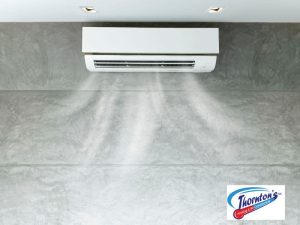
Poor indoor air quality can lead to:
- Itchy, dry skin and allergies
- Fatigue
- Additional germs, viruses and spread of illnesses
- Dehydration which can lead to a weaker immune system
Your heating system can either help reduce these issues—or unintentionally make them worse.
How Heating Systems Affect Indoor Air Quality
Reduced Humidity
Heating systems often reduce indoor humidity levels. Cold outdoor air holds less moisture, and when it’s heated, it becomes even drier. This can lead to uncomfortable dryness and allow viruses to survive longer in the air.
Low humidity can cause:
- Dry throat and nasal passages
- Increased static electricity
- Cracked wood floors or furniture
Carbon Monoxide Risk
Gas furnaces and other heating systems produce byproducts like carbon monoxide. While modern systems are designed to vent these gases safely outdoors, malfunctioning equipment or blocked vents can pose serious health risks.
That’s why regular furnace inspections are critical—especially in winter when your system is working its hardest. Carbon Monoxide is a colorless, tasteless, odorless gas that can be deadly. It is important to always ensure carbon monoxide detectors are installed and working properly throughout your home, especially with a gas furnace.
Ways to Improve Indoor Air Quality This Winter
- Change air filters regularly to trap dust, allergens, and debris
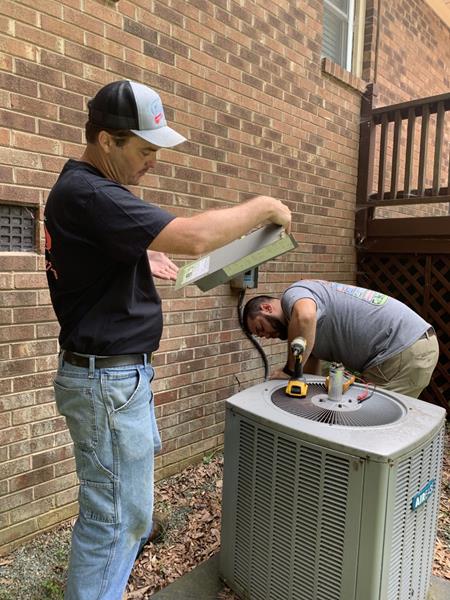
- Schedule a winter HVAC maintenance check with Thornton’s Heating and Air Conditioning to ensure your unit is running at peak efficiency
- Consider adding an in duct air purification system
- Add humidity control solutions to combat dry winter air
- Keep vents and returns clean and unobstructed
In Duct Air Purification
You have probably seen portable or large in home air purifiers that you can move room to room and change the filters routinely. What you may not realize is that your very own duct work which circulates your air on a daily basis can also be used as an air purification system. Call Thornton’s Heating & Air Conditioning today to ask about your options. In duct air purifiers can kill up to 99% of bacteria, mold, and viruses as they pass through circulation, making it an effective and easy choice to keep your home or business healthy and clean.
Your heating system does more than control temperature—it directly impacts the air you breathe every day. With proper maintenance and a few smart upgrades, you can enjoy a warm home and better indoor air quality all winter long. Call Thornton’s Heating & Air Conditioning today to schedule your winter tune up or to answer any questions about the air quality in your home or business.